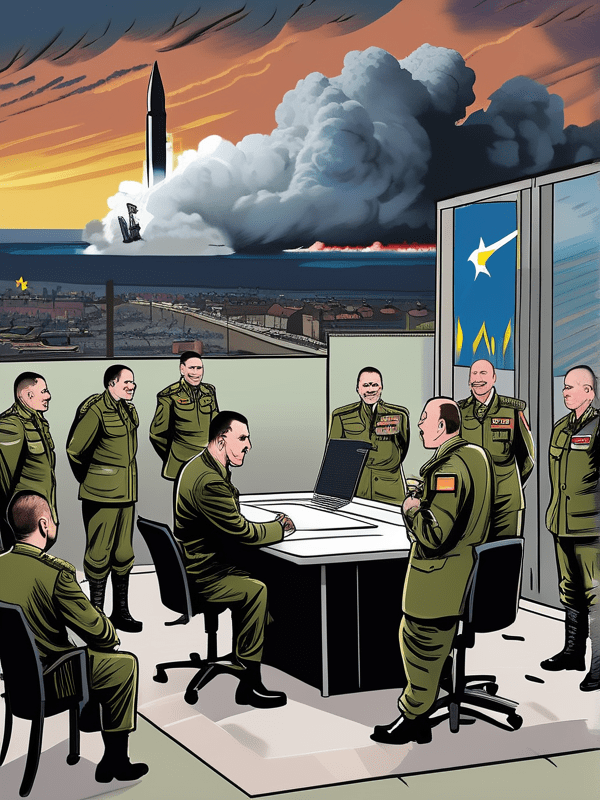
The Shock of the Missile Launch 🚀
On November 26, 2024, the NATO-Ukraine Council (NUC) convened urgently after Russia fired an experimental intermediate-range ballistic missile (IRBM) at Ukraine. The missile struck the city of Dnipro, targeting the Pivdenmash plant, a key facility with historical significance in missile production. This attack marked a significant escalation in the nearly three-year-old conflict, signaling Russia’s intent to intensify its military actions. Ukrainian military officials presented detailed briefings via video link, highlighting the missile’s speed of Mach 11 and its capability to carry multiple submunitions. The strike caused no fatalities but heightened security concerns across Ukraine. This event has not only disrupted the fragile state of peace but also raised alarms about the potential for further aggressive maneuvers by Russia, pushing NATO and its allies to reassess their strategies and support mechanisms for Ukraine.
NATO’s Strong Response: Solidarity and Strategy
In the aftermath of the missile launch, NATO allies gathered to reaffirm their unwavering support for Ukraine. During the NUC meeting, leaders condemned Russia’s actions as attempts to terrorize civilians and intimidate those backing Ukraine. NATO’s acting Deputy Secretary General, Boris Ruge, chaired the meeting, emphasizing that deploying new missile capabilities would not deter NATO from assisting Ukraine. Instead, it underscored the alliance’s commitment to countering Russian aggression. Support includes providing additional air defense systems, as highlighted by Czech Foreign Minister Jan Lipavský, who labeled the strike an “escalatory step” by Russia. This unified stance is crucial in maintaining morale and ensuring that Ukraine remains resilient against further attacks. The next NUC meeting is scheduled for December 3-4, where further strategies and support measures will likely be discussed, keeping the momentum of international support strong.
The Broader Implications: Escalation and Future Risks
Russia’s use of the Oreshnik missile, with its hypersonic speed and multiple warheads, introduces new complexities to the conflict. Expert analyses suggest that the missile’s advanced features make it highly challenging to intercept, potentially altering the dynamics of air defense in Europe. Polish Prime Minister Donald Tusk described the war as entering a “decisive phase,” indicating that the conflict may see more intense and sophisticated attacks. Moreover, Russian President Vladimir Putin’s rhetoric about using nuclear weapons has heightened fears of a broader escalation. The possibility of nuclear involvement, even if unlikely, casts a shadow over the region’s stability and global security. Additionally, discussions within NATO highlight the need for enhanced defensive measures and strategic planning to counteract Russia’s evolving military tactics. The situation demands continuous vigilance and adaptability from both NATO and Ukraine to navigate the increasing threats effectively.
As NATO and Ukraine brace for potential future assaults, the international community watches closely. The solidarity shown by NATO members serves as a crucial pillar of support for Ukraine, helping to deter further aggression. However, the introduction of advanced missile technologies by Russia underscores the need for innovative defense strategies. The coming months will be pivotal in determining the trajectory of the conflict and the resilience of Ukraine against ongoing threats. With upcoming meetings and continuous support, NATO aims to strengthen Ukraine’s defenses while diplomatically addressing the aggressive maneuvers by Russia. The balance between support and strategic deterrence will likely shape the future of this enduring conflict.



 No bad stock