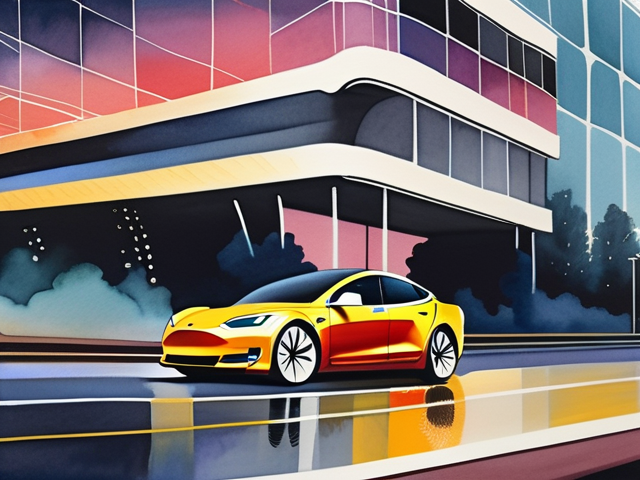
Introducing Tesla FSD Version 13.2: A Leap Forward
Tesla has rolled out its Full Self-Driving (FSD) Version 13.2 to a select group of testers, marking a significant milestone in autonomous driving technology. This limited rollout, though not as expansive as initially promised, showcases notable enhancements that could reshape user experiences. One standout feature is the ability for the car to autonomously unpark, reverse, and park under supervision. Testers have reported that their vehicles can seamlessly transition from the garage, navigate streets, and handle complex parking scenarios without manual intervention. Additionally, the software demonstrated its capability to execute multi-point turns in tight spaces, mimicking human driving behaviors with impressive precision. These advancements indicate Tesla’s commitment to refining autonomous functionalities, even as the broader release remains on hold.
User Experiences: Real-World Performance and Feedback
Early adopters of FSD V13.2 have shared positive feedback, highlighting the system’s smoother operation compared to previous versions. Veteran FSD users like @AIDRIVR noted that V13.2 provides a ride quality surpassing that of professional rideshare services like Uber. The elimination of steering wheel jitter and more fluid maneuvers contribute to a more comfortable and reliable driving experience. Another tester, Chuck Cook, praised the system’s handling of challenging intersections and U-turns, observing that the vehicle behaves much like a seasoned human driver. Moreover, @WholeMarsBlog emphasized the convenience of the system, which managed to navigate from park to park with minimal input, allowing users to engage with other tasks while the car handled the driving. These testimonials suggest that FSD V13.2 not only enhances driving ease but also increases user trust in autonomous systems.
Technical Enhancements and Hardware Concerns
While FSD V13.2 introduces impressive software capabilities, it also brings to light some hardware limitations. Tesla has upgraded the Cortex cluster with a 5x scaling in training compute to handle the increased data demands of the new AI4 inputs and neural network architecture. However, existing HW3 vehicles might struggle to fully support these upgrades, prompting Elon Musk to promise future hardware enhancements. The reliance on Tesla’s vision-only strategy continues to spark debate over whether even more powerful AI4 hardware can achieve true autonomy. Additionally, the integration of features like Camera Visibility Detection and improved collision avoidance systems demonstrate Tesla’s focus on safety and reliability. These technical strides are essential for progressing toward fully autonomous driving, but they also highlight the ongoing challenges in hardware compatibility and performance.
New Features and Future Implications
FSD V13.2 doesn’t just improve driving autonomy; it also introduces several user-centric features aimed at enhancing the overall driving experience. Key additions include the ability to start FSD from Park with a simple button tap, advanced autoparking capabilities, and new streaming options like LiveOne powered by Slacker Radio. The update also boasts improved camera cleaning mechanisms for better visibility and Custom Mirror Tilted Positions for safer reversing. Here’s a quick overview:
| Feature | Description |
|---|---|
| Track Mode: Powertrain Endurance | Adjusts powertrain for consistent performance during track use. |
| Spotify Free | Enables ad-free music streaming without a Premium plan. |
| LiveOne by Slacker Radio | New streaming app integrated into Tesla vehicles. |
These enhancements not only increase the functionality of Tesla vehicles but also set the stage for more integrated and intelligent automotive systems in the future. As Tesla continues to refine its FSD capabilities, the integration of entertainment and convenience features reflects a holistic approach to modern driving needs. 🚀
In summary, Tesla FSD Version 13.2 represents a significant advancement in autonomous driving technology, offering enhanced capabilities and improved user experiences during its limited rollout.** While hardware limitations pose challenges, the software improvements and new features demonstrate Tesla’s ongoing innovation and commitment to achieving full autonomy. As more users gain access and provide feedback, FSD V13.2 could pave the way for broader adoption and further refinements in the quest for a fully self-driving future.
 No bad stock