Tesla’s Optimus robot is quickly becoming a shining example of innovation in humanoid robotics. With Elon Musk and his team steadily rolling out groundbreaking updates, Optimus promises to reshape not just Tesla’s factories but the way we think about AI-powered automation. Let’s dive into what makes Optimus so unique and why it could be Tesla’s next big thing. 🚀🤖
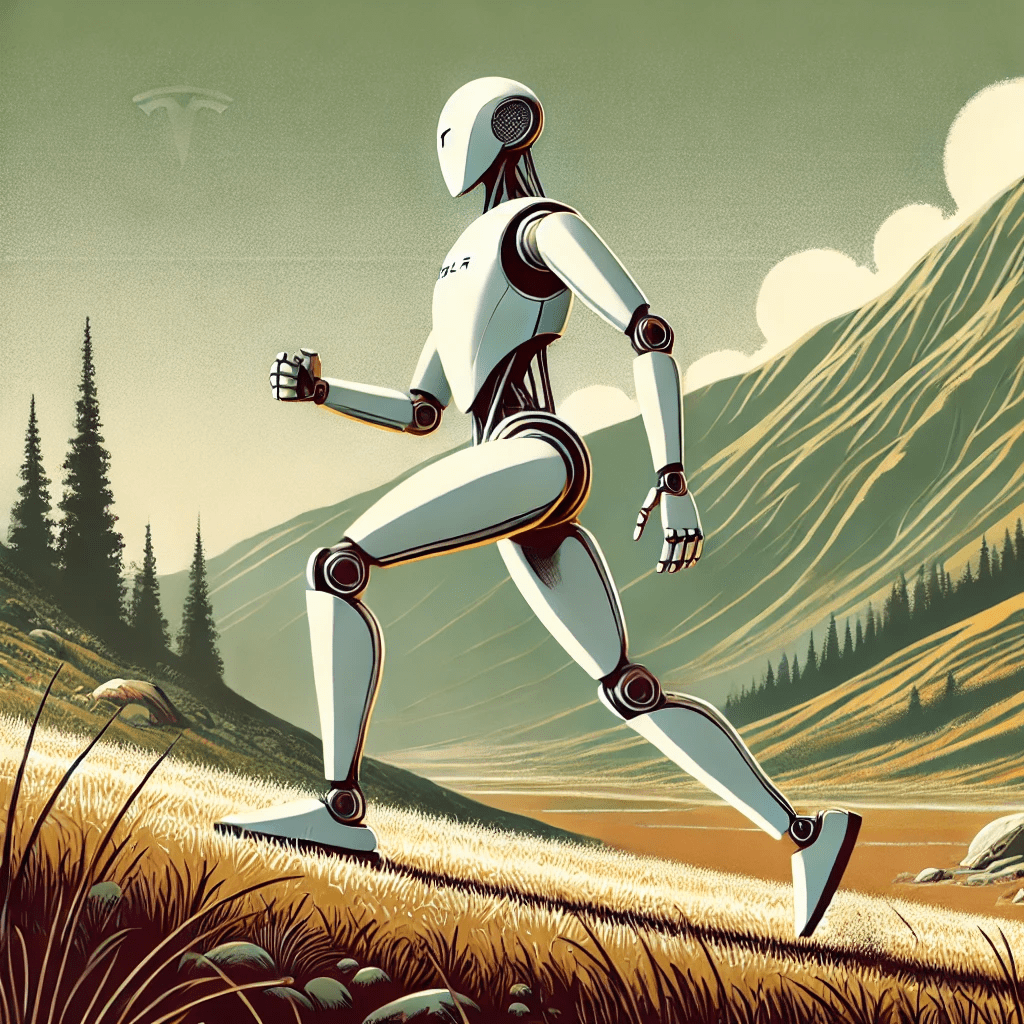
Breaking Boundaries: Optimus Walks Into the Future
The most talked-about milestone in Optimus’s recent journey is its ability to walk autonomously on uneven terrain. 🥾 This feat, shared in a viral video, showcased the robot’s neural network-powered balance as it navigated mulch-covered slopes—without even using visual inputs!
Key highlights of this achievement include:
- Neural Network Control: Unlike conventional teleoperation, Optimus relies on neural networks for real-time limb coordination. It’s essentially “thinking” its way through each step. 🧠
- On-Board Sensors: With sensors processing data in mere milliseconds, Optimus maintained balance on challenging ground where even Tesla engineers slipped. This underlines its precision and adaptability.
But Tesla isn’t stopping there. Future upgrades aim to add computer vision, enhance gait naturalness, and even teach the robot to minimize damage during falls and recover independently. These developments will not only refine Optimus’s physical capabilities but also open doors to more practical applications.
Supercomputers + AI = A Smarter Optimus
Behind Optimus’s rapid advancements lies a robust AI backbone. Enter Colossus, xAI’s supercomputer that houses a staggering 100,000 Nvidia Hopper H100 processors. Colossus serves as the computational powerhouse for Tesla’s AI initiatives, including Optimus.
Here’s how Colossus might boost Optimus’s potential:
- Advanced Neural Training: With unparalleled processing power, Colossus can train sophisticated neural networks to enhance Optimus’s decision-making and environmental interaction.
- Real-Time Processing: Faster AI models mean quicker responses, enabling Optimus to adapt seamlessly to dynamic scenarios.
- Language Integration: xAI’s language model, Grok, could integrate into Optimus, giving it improved communication and task comprehension. Imagine a robot that not only works efficiently but can also explain its actions! 🗣️🤖
Elon Musk’s ambitious plans to expand Colossus’s capacity signal an exciting future, where Tesla’s humanoid robots could evolve at unprecedented speeds.
Why Optimus Matters: Beyond Tesla’s Factories
Currently, Optimus is primarily assisting in Tesla’s energy-storage division and handling repetitive tasks like sorting battery cells. However, Musk envisions a much broader role for the robot. By 2026, Optimus could transform into a commercially viable product, tackling everything from mundane household chores to complex industrial operations.
Here’s why this matters:
- Workplace Revolution: Thousands of Optimus robots are expected to join Tesla factories by 2025, reducing costs and boosting efficiency. Their presence could redefine labor dynamics in manufacturing. 🏭
- Household Helper: Musk imagines a future where Optimus handles chores like mowing the lawn, fetching groceries, or even babysitting. This vision could bring humanoid robots into everyday life, blurring the line between science fiction and reality. 🏠
- Economic Potential: Tesla estimates Optimus might eventually become its most valuable product. With a price tag potentially around $30,000, mass adoption could drive significant revenue, positioning Tesla as a leader in robotics.
The Road Ahead: Challenges and Triumphs
While the progress is exciting, challenges remain. Humanoid robotics is notoriously complex, and timelines for breakthroughs often extend. Musk’s ambitious goals—mass production by 2026, autonomous tennis ball-catching by 2025—may slip, but they serve as a testament to Tesla’s forward-thinking ethos.
Moreover, competition from players like Boston Dynamics ensures that the race to perfect humanoid robotics remains fierce. However, Tesla’s edge lies in its integration of cutting-edge AI, scalable production, and a visionary leader who thrives on pushing boundaries.
Conclusion: A Humanoid Tomorrow
Tesla Optimus isn’t just a robot—it’s a glimpse into a future where intelligent machines work alongside humans to enhance productivity, safety, and convenience. With the support of supercomputers like Colossus and Tesla’s relentless investment in AI, Optimus is well on its way to becoming a game-changer in robotics.
As we look ahead, one thing is clear: Optimus has the potential to do for humanoid robots what the Model S did for electric vehicles. And who knows? By the next decade, you might just have an Optimus walking your dog or serving you coffee. ☕🐕
What are your thoughts on Tesla Optimus? Let us know in the comments below!


 No bad stock
Leave a comment