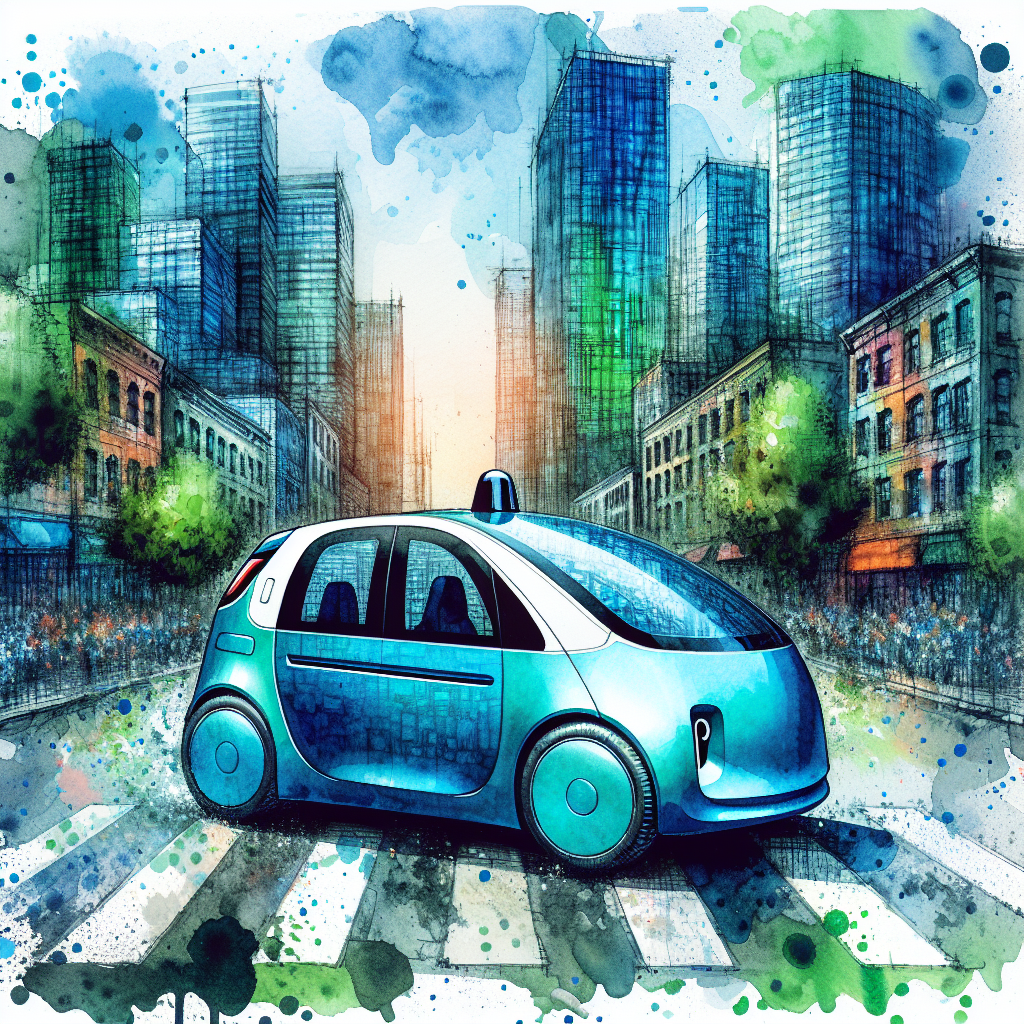
The Bold Vision of Driverless Taxis
Elon Musk, the ever-optimistic CEO of Tesla, has consistently painted a picture of a future dominated by autonomous vehicles. His latest ambition? A fully operational robotaxi service launching in Austin, Texas, by June 2025. This is not just an incremental step; it’s a potential paradigm shift. The idea is that Tesla won’t just be a car manufacturer, but also a major player in the ride-hailing business, offering a service akin to a driverless Uber. This strategy moves them away from relying solely on car sales, a sector becoming increasingly competitive. Imagine your personal Tesla earning you money while you’re not using it, essentially becoming part of a larger robotaxi fleet. 🤯 This concept is not entirely new, but the scale and technology involved make it a truly groundbreaking prospect. This bold move hinges on the success of their Full Self-Driving (FSD) software, which, while advanced, has its own share of challenges and debates. Tesla aims to expand this service across the U.S. and eventually globally. The timeline, while ambitious, has raised eyebrows in many corners, especially given Tesla’s history with deadlines and technological milestones. The dream is certainly captivating, and the promise of a completely autonomous car is undeniably alluring. The idea is to leverage the massive existing base of Tesla vehicles and integrate them into a self-driving fleet.
The Technological Hurdles: FSD and Cybercab
The heart of Tesla’s robotaxi vision lies in its Full Self-Driving (FSD) software. This software is not yet fully autonomous; it’s an advanced driver-assistance system that still requires human supervision. This is where much of the skepticism comes from. Can Tesla truly achieve a Level 5 autonomous driving system, where human intervention is entirely unnecessary? The Cybercab, a dedicated robotaxi prototype, adds another layer to the mix. This vehicle is designed without a steering wheel or pedals, signifying the ultimate goal of complete autonomy. According to initial specifications, the Cybercab would have a two-passenger capacity and a range of around 200 miles. The specifications suggest a major technological feat, emphasizing efficiency through aerodynamics and a relatively lightweight design. The company has released videos of the FSD software handling challenging scenarios. However, these showcases should be approached with caution; the real world is full of unpredictable circumstances and edge cases that are tough to simulate. The safety of this system is paramount. Tesla is using a multi-pronged testing approach, involving real-world data from customer vehicles, closed-course simulations, and rigorous internal testing. The validation process is crucial for public trust and for meeting stringent regulatory demands. There are questions about how Tesla’s less sensor focused approach will ultimately compete with companies using more robust and costly hardware.
Regulatory Minefield: A Path to Approval
Beyond the technological complexities, regulatory approvals present significant hurdles. The robotaxi deployment faces scrutiny from various government bodies. The National Highway Traffic Safety Administration (NHTSA) in the US sets the stage for autonomous vehicles, setting limitations on the number of vehicles that can be deployed without human safety drivers. Currently, they are granting only 2,500 exemptions per year. This means full-scale launch is impossible until these limitations are removed or changed. State-level regulations, particularly in California, a major market, also come into play. The California Public Utilities Commission (CPUC) and the Department of Motor Vehicles (DMV) oversee the operation of robotaxis, granting permits for commercial operation. The challenge lies in meeting these various stringent requirements across different regions, and countries. Tesla has had some conflicts with California regulators in the past, which may make this approval process difficult. Tesla’s reliance on its own FSD system and vision-based approach to autonomous driving is also quite different from companies like Waymo and Cruise, which use LiDAR sensors. Tesla’s approach is to make the current system better in its real use, while the competition aims to make it perfect in specific, controlled areas, then expand it. Which approach will be more successful remains to be seen. Even if Tesla’s tech is perfected, it will not be able to operate in most places without the proper legal approvals. The complexity of international laws will present an additional challenge for global expansion.
The Business Angle: Pricing and Profitability
The financial aspects of the robotaxi service are as crucial as the technological and regulatory elements. Tesla initially stated a price point under $30,000 for the Cybercab, and then later quoted $25,000. These costs are for purchasing the vehicle, not for the ride service itself. Cost estimates for running the robotaxi service vary widely, with some projections ranging from $0.18 to $0.58 per mile. These figures are critical for determining the competitiveness of Tesla’s robotaxi service against existing ride-hailing companies, where costs are often much higher, around $3 per mile, or more. A critical aspect of Tesla’s plan is the ability to leverage the existing fleet of Model 3 and Model Y cars. Initially, these will likely form the core of the taxi service, while the Cybercab is being developed and tested further, which will avoid the immediate need for a Cybercab deployment. The utilization rates, average ride distances, and pricing strategies will all play vital roles in determining Tesla’s profitability in this sector. Tesla’s financial statements in Q4 2024 showed that they didn’t meet revenue expectations, despite optimistic predictions. A further challenge for the company has been its decreasing profit margins and increased competition in the EV sector. The company’s stated goals of large-scale production of their Optimus humanoid robots are also part of its projected business model. These are intended to become a primary revenue source for Tesla, further reducing their reliance on car sales.
| Area | Details |
|---|---|
| Robotaxi Launch Date (Initial) | June 2025 (Austin, TX) |
| Cybercab Passenger Capacity | 2 |
| Cybercab Range | 200 miles (320 km), 400+ km realistic range |
| Cybercab Battery | 44 kWh |
| Estimated Cost Per Mile | $0.18 – $0.58 (estimated) |
| Cybercab Production Start | Before 2027 (planned) |
| NHTSA Autonomous Vehicle Exemption Cap | 2,500 vehicles/year |
The road ahead for Tesla’s robotaxi endeavor is laden with potential and challenges. While the vision of a fully autonomous ride-hailing service is compelling, the practicalities of achieving this are complex. The technological feasibility, regulatory hurdles, and business implications all demand careful consideration. The ambitious timelines, coupled with the numerous variables, suggest that while Tesla is clearly making strides, there’s still a long way to go. Tesla’s optimistic timeline and technological claims should be taken with a grain of salt. The company’s history has been peppered with overpromises and missed deadlines. The initial launch in Austin will likely serve as a crucial proving ground, offering valuable data and insights for future expansion. For now, this looks to be a very exciting project that has the potential to disrupt transportation as we know it. The long-term success of Tesla’s robotaxi project relies on their ability to navigate these hurdles and create a service that is not only technologically advanced, but safe, reliable, and affordable. Tesla’s ability to deliver on this vision in the near term remains to be seen, especially in light of the fact that they do not currently have regulatory approval. 🚖🧐
While Tesla’s robotaxi vision is groundbreaking, it’s essential to approach it with a critical eye. The sheer complexity of the technology, the regulatory labyrinth, and the financial logistics all pose significant hurdles. While Elon Musk’s vision is compelling, the company needs to demonstrate concrete progress and overcome both technical and legal roadblocks. It’s a race against time, as the other players in the autonomous vehicle market are also rapidly evolving. Ultimately, the success of Tesla’s robotaxi service depends on the company’s ability to turn a bold idea into a practical, safe, and economically viable reality. The true test will not be in the hype, but in the actual performance and acceptance of the system in the real world. The information provided here is based on publicly available data as of February 1st, 2025, and may change in the future.
 No bad stock